|
There is something about attending a conference on your own time and your own dime. You’re far more, shall we say, invested. It’s different when your company sends you to a conference that you may or may not be enthused about. You’re less inclined to squeeze every last ounce of usefulness out of the experience, and more inclined to check your emails instead of listening to speakers. I just returned from the 2017 San Francisco Writers Conference. As a former corporate marketing and communications manager, I have attended several communications and PR conferences over the years, but this was my first conference for writers. And it completely blew me away. That’s putting it lightly. I finished writing my nonfiction book, “Memoirs of a Surgeon's Wife”, in October 2016, with the goal to be ready for SFWC17 in February. Since my book began as a passion project while I worked full-time, there was no shortage of work to be done. I wrote the book and then tackled the nonfiction book proposal. I began blogging consistently every week. I created a Facebook author page and started building my author platform (all the ways you can discover me online). I began sending a weekly newsletter to email subscribers. I researched the agents and editors attending the conference and prioritized who I most wanted to connect with. I created an oral book pitch and practiced it ad nauseam. You get the idea. The conference acted as a deadline that kept me working toward specific, time-sensitive goals. Anyway, you came here looking for a checklist for your next writers conference: how to make the most of every minute and every penny. So, here we go. How to Make the Most of Your Writers Conference 1. Prepare. Prepare at least as much as you would for a job interview, if your goal is to be published. Each interaction you have with an agent, speaker, coach, or editor is your window of opportunity to make a positive impression. Start by researching who is attending the conference and create a list of people you would like to speak with and/or pitch your book to. Put them in a spreadsheet and be sure to copy and paste their photo into it so that when you see them grabbing their morning coffee at the event, you will recognize them and can say hello. Prepare to the point that you feel comfortable casually discussing your book with strangers. 2. Go with an open mind. I went into this conference with the idea that I would pursue traditional publication (sign an agent who would then sell my book to a top publishing house). However, I attended a variety of sessions, including a few on self-publishing. Now I feel educated on both the traditional route and the self-publishing route, wherever fate may lead me. It’s always smart to have a Plan A and a Plan B. 3. Get social. There are countless opportunities to network at a writers conference, and I urge you to take advantage of them. At SFWC17, there were daily coffee meet-ups, networking breakfasts, lunches and dinners, a welcome cocktail party, free classes, and plenty of opportunities for interacting with experts. Also, make a concerted effort to put your phone away. If you’re scrolling through your mobile, people will assume you’re busy and won’t talk to you. All you have to do is turn to the person next to you and ask, ‘what do you write?’. This is a fantastic way to meet other writers and authors in an otherwise lonely profession—don’t squander it. 4. Be brave. Public speaking is one of my least favorite things to do. I was traumatized by the time I had to deliver a book report in my 8th grade class and my voice shook like an earthquake the entire time. I’ve since improved, but banishing those butterflies is still quite the challenge for me. Nevertheless, when I saw the nonfiction ‘pitchathon’ on the schedule, I showed up. And when I witnessed a panel of about six agents and experts giving several minutes of personalized feedback to everyone who gave their pitch, I decided that I would be crazy not to do it. So, I did it. I held a microphone and talked about my book in a room full of people. It wasn’t so bad, and the feedback I received was 100% worth it. My other act of bravery at the San Francisco Writers Conference was the agent speed dating session, which put me face-to-face with a room full of agents to give my book pitch in one minute, and have a discussion for the remaining two minutes. Like many other writers, I was petrified going in, but once I began sitting down with agents, I found it easy and conversational. If you have an opportunity to participate in something like this, just do it. You won’t regret it. 5. Adapt on the fly. My final tip is to evolve with the feedback and inspiration you receive. Re-write your pitch if you need to. Change your title (it will probably change later anyway). Attend sessions different than what you had planned. If you see someone on your wish list, strike up a conversation with them, even if it’s not the ‘perfect’ moment. The key is to stay observant, follow your intuition and to strike while the iron is hot. I filled an entire notebook while attending the San Francisco Writers Conference, and would highly recommend it to any writer, whether you’re just starting out or looking to stay on top of the industry’s latest. Wishing you the best of luck with your writing and I hope to see you at a conference soon! You may also like these blogs by Megan Sharma:
10 ways to overcome a creative block and find inspiration The write stuff: An author’s favorite books and authors Share the love: Free professional editing services for 5 MeganSharma.com blog readers Check out my new Facebook author page Cutting down on word fat and other newsletter tips Writing 'til it hurts In 30 seconds, this message will self-destruct How to move your audience from callous to captivated Lights, Camera, Action! Celebrating the Spotlight

4 Comments
A sunny day in Seattle brings people out of the woodwork. Everyone must.be.outside.NOW! Seattleites treat every soleil-soaked day as if it were their last. Whether you’re a visitor or a longtime resident, it never hurts to have a go-to list of outdoor activities ready for that picture-perfect day in the great outdoors. Here is your insider’s guide to the best outdoor activities in Seattle: On a warm summer day Get your splash on
Hit the beach
All hands on deck!
General outdoor hijinks
Now we must pray to the sun gods! So much to do, so little time! You may also like these blogs by Megan Sharma:
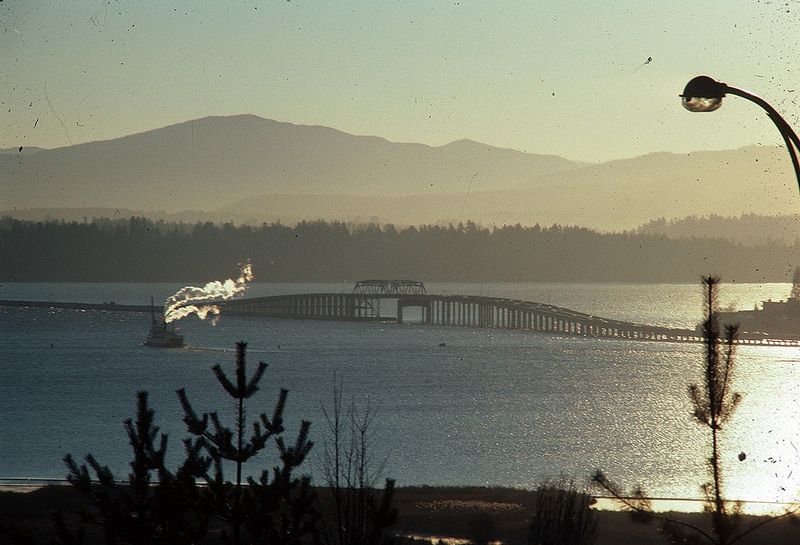
Your insider Seattle trip planner: lodging (where to stay) and getting around (rental car or no rental car?) An insider’s guide to Seattle’s Pike Place Market Baby/toddler travel guide series: the essentials! Baby/toddler travel guide series: what to pack Baby/toddler travel guide series: going international 60 fun and unique date ideas for the young at heart What I never expected about Midwest living What the what? 10 things I don’t understand about Midwest living So, you’ve decided to visit the Emerald City: Seattle, Washington. Congrats! Whether you’re traveling for business, leisure, or both, you won’t be disappointed with all that the Pacific Northwest has to offer. As a former Seattle resident of 16 years, I say this with confidence: Seattle is awesome. Seattle geography 101 First, a primer on the lay of the land. Seattle is surrounded by water on two sides: Puget Sound (aka—the ocean) to the west and mega-huge Lake Washington to the east. Anything east of Lake Washington is locally referred to as ‘the east side’: Bellevue, Redmond (home of Microsoft), and the like. There are only two bridges that will allow you to cross the lake without driving all the way around (generally a pain): 520 on the north end of Seattle (toll bridge) and I-90 on the south end near downtown (not a toll bridge). Hordes of tech employees commute back and forth to Microsoft daily, and traffic can be quite painful. Avoid morning and afternoon/evening rush hour wherever possible. With no traffic, it can take 15 minutes or less to get from downtown Seattle to Bellevue. In rush hour traffic, it’s often more than an hour. Getting around If you are staying for an extended period (7+ days) and plan any day trips or side trips, I highly recommend renting a car. Note that rental cars can be expensive. I have found good deals on Hotwire and Priceline, and sometimes by adding a rental car onto a plane ticket itinerary. Always check the rental car site, as well. If you’d prefer to stay right in the core of the action in downtown Seattle, DO NOT rent a car. You will pay $30 or more per night to park in any downtown Seattle hotel. Frankly, the public transportation sucks. I’m a big fan of walking. There is a bus system that operates downtown (and elsewhere in the city, of course), but it can be a little scary, especially for visitors unaccustomed to the usual Seattle bus characters. Uber and cabs are plentiful. If you want a quick ride from the shopping district to the Seattle Center, hop on the Monorail—it’s a rite of passage, especially if it breaks down on your ride. There is a light rail that will take you to and from the airport to downtown. There is also the South Lake Union Streetcar, which travels between downtown and south lake union, which is limited but can be helpful if you’re going that way. Where to kick off your rain boots Best value We really like the Silver Cloud Inn on Lake Union—just south of downtown in an up and coming neighborhood. Our family stayed at the Silver Cloud during our wedding weekend. It’s a nice hotel that is family friendly. They offer daily free breakfast and free secure parking—both are very rare for Seattle hotels. Book early—it’s more of a medium sized boutique property. While the hotel is a few miles from downtown (not easily walkable), the hotel offers a free shuttle service and can drop you off downtown and nearby. The Southlake Union Streetcar is not far. You pay much less here than any downtown Seattle hotel. Downtown If you’d like to stay downtown, we are fans of the Pan Pacific (pricey) and the Hyatt Olive 8 (sometimes pricey), and have stayed in both. Pan Pacific is convenient because there is an enormous Whole Foods (complete with a full bar and row upon row of buffet stations) in the same complex, as well as a few other restaurants. We love Tutta Bella for delicious Italian Neapolitan style pizza (I would order the Gioia—fresh egg, olive oil, parmesan, arugula, prosciutto—not on the menu). Seastar is a wonderful, high-end seafood restaurant (order the Thai mussels to start). Pan Pacific does not have a pool. The Hyatt Olive 8 is located closer to the downtown shopping neighborhood and walkable to Pike Place Market, as well. They have an amazing spa, Elaia, (my fave) and a lovely salt water pool and hot tub, in addition to a gym. They also have a restaurant on site, Urbane, which is tasty but geared toward business clients. The Silver Cloud Inn on Lake Union and the Pan Pacific do not have restaurants on site (but technically at Pan Pacific they do offer room service). Vacation housing Airbnb is also great if you are looking for more space and amenities than the average hotel room. Keep in mind that many condos, apartments and houses in Seattle do NOT have air conditioning or central air—this is important in the months of June, July, and August. If it’s important to you, make sure it’s one of your search filters. Family friendly neighborhoods for your stay Eastlake (on Lake Union), Queen Anne (just north of downtown), Greenlake (a few miles north of downtown), Greenwood (near Greenlake), Phinney Ridge (near Greenlake), South Lake Union. These neighborhoods are all within a few miles of the city core. If you want to avoid partying and/or noise, be wary of Capitol Hill and central Belltown (we used to live near the Seattle Center on the north side of Belltown, and it was quiet). That’s it for now! Stay tuned to my Seattle series blogs, including this insider’s guide to Seattle’s Pike Place Market. Future Seattle blogs will cover things to do indoors and outdoors, activities to do with kids, day trips, restaurant faves, and date ideas. *Author’s note: these opinions are my own based on my personal experiences. I have not been paid to endorse any businesses, products or services in this blog You may also like these blogs by Megan Sharma:

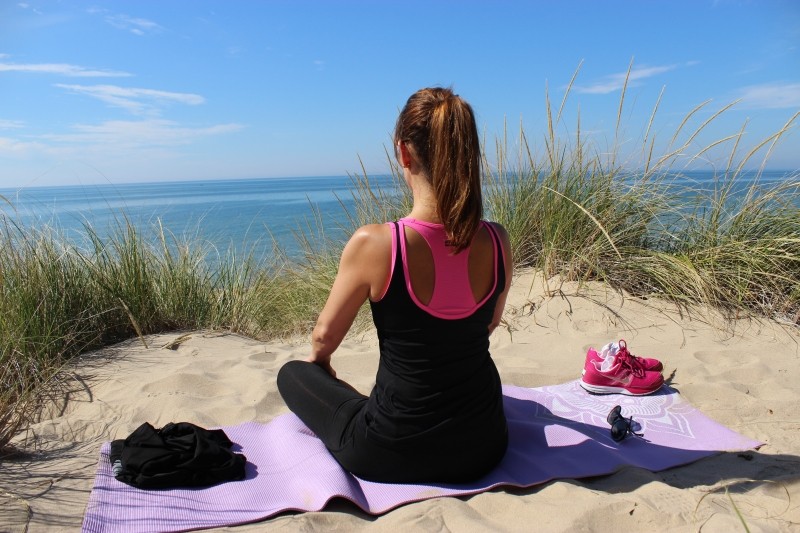
An insider’s guide to Seattle’s Pike Place Market Baby/toddler travel guide series: the essentials! Baby/toddler travel guide series: what to pack Baby/toddler travel guide series: going international 60 fun and unique date ideas for the young at heart What I never expected about Midwest living What the what? 10 things I don’t understand about Midwest living We’ve all had moments in our lives and in our careers when we just weren’t ‘feelin’ it’. Maybe we were ploughing through an extraordinarily busy time with our heads down and our thoughts only on the end game. Perhaps we were going through the motions without passion. Or maybe we sat impatiently waiting for inspiration to strike, only to be disappointed. Whether you’re a stay-at-home-parent, banker, composer, interior designer, event planner, journalist, artist, photographer, firefighter, scientist, or doctor, we—as human beings—all need a bit of inspiration to brighten up our days. I am a practical person, admittedly very type A, but I am also a dreamer. There is nothing more exciting to me than the birth of a new and fabulous idea, one that I must scramble to write down fast enough. But what happens when those ideas stubbornly refuse to reveal themselves in all their glittering glory? Here are 10 strategies to help you break down your creative block and usher in inspiration: 1. Set aside your frustrations. Put some space between you and whatever is getting you down. Take a breather! No, really. It’s helpful to breathe deeply and slowly for even a minute to calm your nervous system and clear your mind. If you’re not into deep breathing, simply find something else to temporarily distract you from your woes. Note exactly when you will come back to the task you endeavor to tackle. 2. Work up a sweat. Getting your blood pumping is a guaranteed path to a better mood, thanks to the feel-good hormones, endorphins. I recommend doing the kind of exercise you enjoy, not something you dread. For me, it’s either Zumba or hip hop dance class, or cycling away on the elliptical machine while reading my latest book pick (right now it’s True Story: Murder, Memoir, Mea Culpa by Michael Finkel. So tough to put down!). 3. Snag some fresh air. It’s biology, people. Humans were not designed to spend their waking hours in a microscopic cubicle drinking stale coffee. Alas! Get outside. Go for a walk. Observe ‘the nature’. 4. Don’t be afraid of silence. Constantly, mindlessly, fruitlessly multi-tasking. I am just as guilty as the next person. It helps me to take at least 20 minutes each day, usually en route to my daughter’s day care, to drive in silence and concentrate only on the road ahead. No radio. No phone calls. Just me. Occasionally I am interrupted from my quiet reverie with a killer idea. 5. Do things you enjoy with people you love. What makes you happy? Is it swimming? Playing video games? Wine tasting? Reading to your kids? Curling your hair? Getting a massage? Doesn’t matter what it is—do it! And invite your loved ones to join you and share in your joy. 6. Banish negative thinking. Glass half empty. Glass half full. No glass at all? Take control of your mental drinkware and aim to think positively. Don’t beat yourself up for not having a mountain of great ideas up your sleeve. Instead, remind yourself that you are intelligent and capable, and that inspiration will come to you at the right time. 7. Nourish your body. I am a believer in the mind-body connection, because I have seen its power in my own life. I know that when I am getting plenty of sleep, eating nutritious and clean food, and exercising regularly that I tend to be happier, more satisfied and more productive. Try it out and see how it works for you. 8. Ask how you can help a friend. Helping other people and turning away from our own selfish needs is another way to tap into your happy hormones. It could be as simple as striking up a conversation and offering advice, or volunteering to take some weight off someone else’s shoulders. 9. Seek beauty. Beauty truly is all around us, and it can deeply impact us, if we’d only notice it. Stroll through a garden or conservatory. Visit an art or history museum. Catch a photography exhibit. Marvel at a ballet performance. Stop to listen to a street performer play guitar. And, sure, walk along a beach at sunset with the love of your life. Why not? 10. Be prepared for the lightning bolt moment. When you open yourself to creativity, it will eventually find you. Be ready! Always keep a pen and paper handy. Record voice notes. Email or text message yourself. In that moment when inspiration appears, follow it through, and always be grateful. How do you overcome a creative block? What inspires you? Share in the comments! |


The Savvy Surgeon's Wife BlogResources and entertainment for busy parents, medical families, and type A overachievers everywhere.
Categories
All
Archives
October 2020
|