|
When you’re married to medicine, the symptoms are obvious: 1. You can’t make it through a full-length movie, much less a one-hour TV show, without your Dr. Husband/Wife (Dr.H/W) falling asleep on the couch midway. 2. There are more pens in your house than in Office Depot. 3. Your bookshelf is 90% full of medical literature and 10% full of your personal ‘fun reading’. 4. Certain friends, colleagues and neighbors with schedules that conflict with your beloved’s doubt your Dr.H/W’s existence. 5. You have a weekly meeting with your Dr.H/W to compare schedules and to see if you can really make it to that girls’ night out. 6. Your medical lingo for your Dr.H/W’s specialty is on point, even though you’ve never been to medical school. 7. When you meet new people, you expect them to ask you how realistic “Grey’s Anatomy” really is. 8. Your Dr.H/W has triaged a medical emergency on a plane (in only his socks. Yup.). 9. You’re constantly throwing away the surgical marking pens your Dr.H/W surreptitiously brings home. 10. By virtue of your spouse’s profession, people automatically assume you lead a rich and glamorous life (think again!). 11. You understand that when your Dr.H/W finally becomes an attending physician, he/she will still have to visit patients on weekends and do emergency surgeries at any time of day or night. 12. Your partner is sometimes hesitant to tell new acquaintances what he/she does for a living, because he/she is constantly being asked for medical advice from strangers. Who are not patients. 13. You still haven’t fully unpacked your office after nearly two years in your new home (guilty!). 14. You receive letters every week for fundraisers and charity events. 15. Your Dr.H/W enjoys diagnosing diseases and identifying surgical scars, anywhere from the local mall to the people appearing on HGTV. 16. You can ask your Dr.H/W pretty much any medical question and he/she will generally have an answer for you. And if they don’t know, they will be unable to resist looking it up in the literature. 17. Your Dr.H/W has an unfair advantage both in Scrabble matches and in any Latin language category of “Jeopardy”. 18. The next vacation is always on your Dr.H/W’s mind. 19. You genuinely care about health care legislation, because it impacts your family. 20. Your wedding was planned during a more forgiving segment of your Dr.H/W’s training. For more on the realities of life with a surgeon, check out my book, "Memoirs of a Surgeon's Wife." You may also like these blogs by Megan Sharma:


Parenting: You know you’re a mom (of young children) when… A real, imperfect day in the life of a writer: me Celebrating Women’s History Month: 10 women of medicine and science that will knock your socks off Physician Family guest blog: Does Match Day dictate your destiny? A surgeon’s wife weighs in Book preview for When Medicine Meets Holy Matrimony: A word to mothers who aspire to have a surgeon-in-law Book preview for When Medicine Meets Holy Matrimony: No, I don’t want no scrubs Book preview for When Medicine Meets Holy Matrimony: For the love of Danskos Book preview for When Medicine Meets Holy Matrimony: The other shoe 10 ways to overcome a creative block and find inspiration

0 Comments
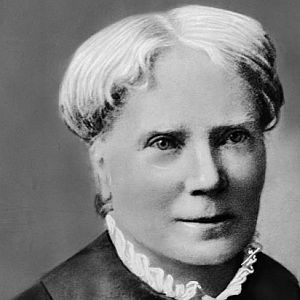
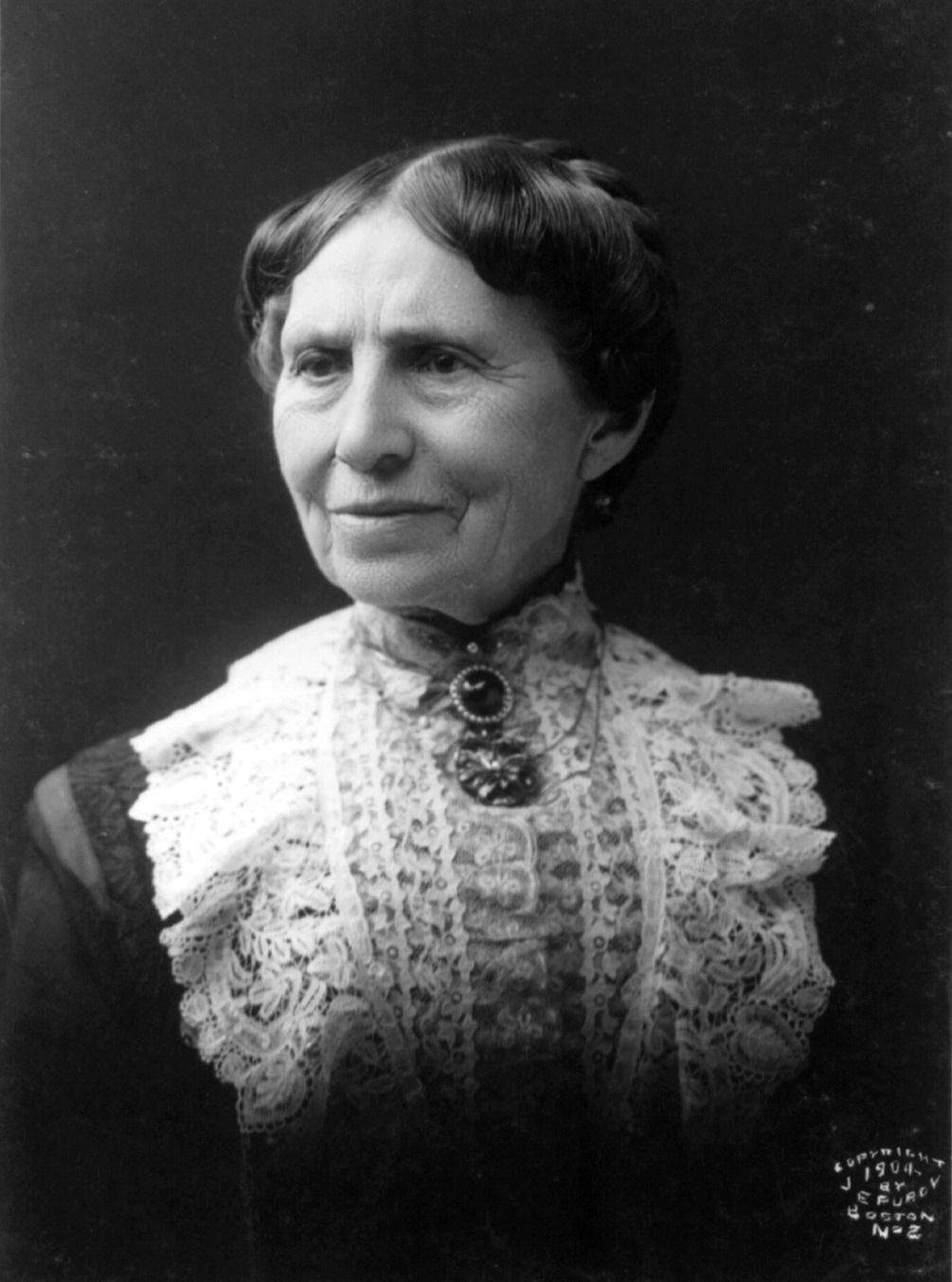
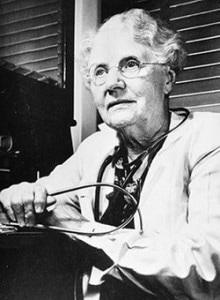
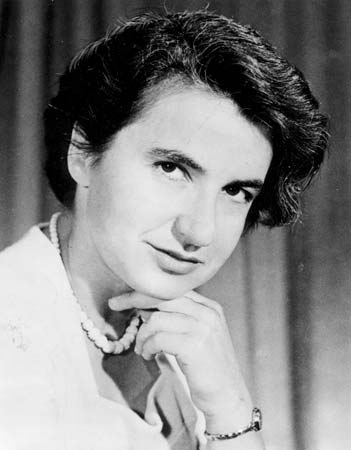
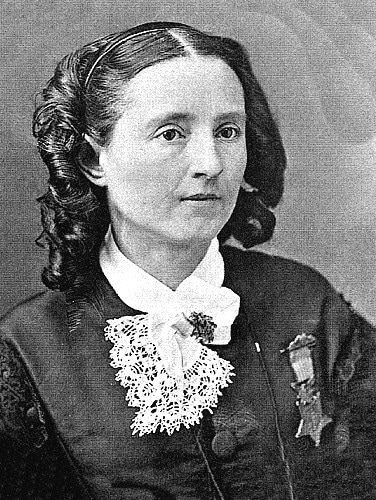
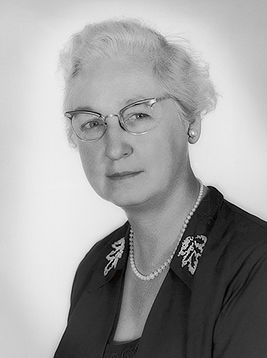
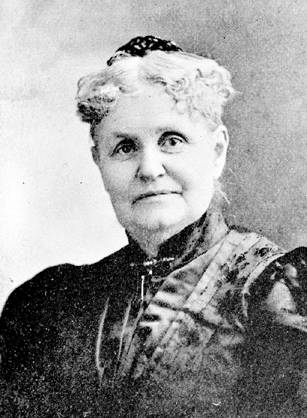
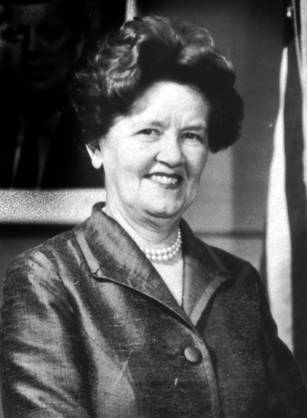
Celebrating Women’s History Month: 10 women of medicine and science that will knock your socks off3/23/2017 Did you know that March is Women’s History Month? It is, indeed. In doing research for my book, When Medicine Meets Holy Matrimony: A Surgeon’s Wife Tells It Like It Is, I discovered several women of medicine and the sciences that impressed the heck out of me. Some names may be familiar and some may be new to you. 10 women of medicine and science that will knock your socks off: 1. Dr. Elizabeth Blackwell: Dr. Blackwell paved the way for women physicians in America by becoming the first woman to receive an M.D. degree from an American medical school in 1849. Before earning this coveted title and graduating first in her class, no less, Dr. Blackwell faced rejection after rejection from U.S. medical schools. She was even advised to travel to Paris and disguise herself as a man to obtain her medical training, which she declined to do. Dr. Blackwell went on to found a full-scale hospital which still exists today as the New York University Downtown Hospital and also founded the Woman’s Medical College of New York Infirmary in 1868, giving women the opportunity for a medical education when they were denied admittance to the all-male medical colleges of the period. Dr. Blackwell dedicated her life to championing women and fighting for women’s rights. 2. Dr. Rebecca Crumpler: Dr. Crumpler is distinguished as the first African American woman in the U.S. to earn a medical degree in 1864. Following the end of the Civil War, Dr. Crumpler joined other African American physicians caring for freed slaves who would otherwise have no access to medical care. In 1883 Dr. Crumpler published her “Book of Medical Discourses”, an exceptionally rare accomplishment for an African American in her day and age. Most of what we know of Dr. Crumpler comes from this book. Unfortunately, there are no surviving photographs or images of Dr. Crumpler. 3. Clara Barton: Clarissa Harlowe Barton, who preferred to be called Clara, put herself directly in the line of danger during the Civil War to comfort, nurse and cook for the wounded. She founded the American Red Cross in 1881 at the age of 60 and led it for the next 23 years. Her personal passion and gift for service will always be remembered. 4. Dr. Bertha Van Hoosen: This was a woman with a fighting spirit. Dr. Van Hoosen earned both her bachelor’s degree and her medical degree, despite her parents’ refusal to finance her education. And although her appointment was opposed by the all-male faculty, she became a professor of gynecology at the Illinois University Medical School. She became increasingly vocal about the medical establishment’s discrimination toward women, and was barred from the Chicago Gynecological and Obstetrical Society. In 1915, she gathered a meeting of women in Chicago that eventually led to the formation of the American Medical Women’s Association. She served as the organization’s first president. 5. Rosalind Franklin: Even if you don’t know her name, you know her work. Rosalind Franklin was a brilliant chemist whose studies of x-ray diffraction provided critical clues into the structure of DNA, the building blocks of life. Unfortunately, she was not recognized for her contributions until long after her death. Rosalind succumbed to ovarian cancer at a young age. Her colleagues, James Watson, Francis Crick and Maurice Wilkins, were awarded the Nobel Prize for discovering the double helix after viewing x-ray photographs of DNA taken by Rosalind. 6. Dr. Mary Edwards Walker: Dr. Walker was both a physician and a women’s rights advocate. She was the first woman awarded the Congressional Medal of Honor for her work as a surgeon during the Civil War. Although her name (along with others) was removed from the honoree list in 1917 during a period of confusion and turmoil regarding eligibility, she refused to give up her medal. She continued to wear it proudly for the rest of her life. Many years after her death, thanks to efforts of her family and a reappraisal of her work by Congress, the honor was finally restored to Dr. Walker in 1977. 7. Dr. Virginia Apgar: Dr. Apgar was the first woman to become a full professor at Columbia University College of Physicians and Surgeons. Parents also know her as the woman behind the Apgar Score, the first standardized method for evaluating a newborn baby’s transition to life outside the womb. 8. Dr. Mary Amanda Dixon Jones: Dr. Dixon Jones became internationally known as a surgeon in obstetrics and gynecology at a time when women physicians struggled to build careers in the field (during the Civil War era). She was the first person in the U.S. to propose and perform a full hysterectomy (surgical removal of the uterus) to treat uterine tumors. 9. Dr. Leona Baumgartner: Dr. Baumgartner’s passion for public health stemmed partially from her pediatric home visits to some of the poorest areas of Depression-Era New York in the mid-1930s, where she connected the dots between poverty and ill-health. She served as the first female commissioner of New York City’s Department of Health from 1954-1962, leveraging her role to bring basic health and hygiene advice to millions of Americans via frequent TV and radio broadcasts, as well as sending health care professionals to visit schools and churches. 10. Madame Marie Curie: Mme. Curie is a household name and a winner of two Nobel Prizes for her work in radioactivity. But you may not know that she won her second Nobel Prize in the midst of tragedy. She shared her first Nobel Prize in the field of nuclear physics with her husband Pierre Curie and colleague Henry Becquerel in 1903. In 1906, her beloved Pierre was killed after stepping in front of a horse-drawn carriage, leaving Marie alone to raise two young daughters and to carry on their legacy. She won her second Nobel Prize in chemistry in 1911 for her discovery of radium and polonium. After a lifetime dedicated to scientific discovery that led to breakthroughs in modern medicine, especially in oncology, Mme. Curie died of complications caused by prolonged exposure to radiation. What women inspire you, historically or present day? Leave your comments! You may also like these blogs by Megan Sharma:
A real, imperfect day in the life of a writer: me 10 ways to overcome a creative block and find inspiration Physician Family guest blog: Does Match Day dictate your destiny? A surgeon’s wife weighs in Book preview for When Medicine Meets Holy Matrimony: A word to mothers who aspire to have a surgeon-in-law Book preview for When Medicine Meets Holy Matrimony: No, I don’t want no scrubs Book preview for When Medicine Meets Holy Matrimony: For the love of Danskos Book preview for When Medicine Meets Holy Matrimony: The other shoe Date night: 60 fun and unique date ideas for the young at heart Parenting: A no-fuss guide to your toddler’s birthday party for Pinterest-fatigued parents Parenting: You know you’re a mom (of young children) when… I am going to be perfectly honest with you: sitting at this desk and writing this blog is the last thing I want to be doing right now. Please don’t take offense, dear reader, as this is an ‘it’s not you, it’s me’ situation. I’ll explain. The day started off well enough. I woke up snuggling with my two-year-old daughter, who then, in her usual adorable way, commanded me to “get up” (say please!) so that we could go about our day. We had a hilarious conversation during the car ride to school, during which she insisted that sharks eat pancakes and wear pants. I mean, does anyone really know what goes on in the ocean deep? She could be right. As I started the 20-minute drive home, however, I couldn’t help but notice the pounding in my left temple. By the time I arrived in my driveway, all I could do was pop some ibuprofen, slip on my eye mask, bury myself under the comforter, and hope that rest and darkness would halt the inevitable migraine. In the end, I slept for more than three hours, waking at about 1:00 in the afternoon to the uncomfortable but manageable dregs of a migraine and the distinct crushing feeling of having wasted more than half of a working day. I dragged myself downstairs, trying to will into fruition the energy to write this week’s blog. I already had several ideas in the pipeline, but I wanted to write none of them. And then, my lightbulb moment: when in doubt, write what you feel. What I feel right now is lousy. But that is my truth on this St. Patrick’s Day of March 2017, so that is what I have written. Yesterday I was flying high, having pitched a couple of articles to the Huffington Post and attended a webinar on high performance for writers. I was going to reach my full potential and be my best self! Today, as you have witnessed, it’s a different story. And guess what? That’s okay! We all have days like this. Not just as writers, but as humans. It’s impossible to be running at full throttle every single day. I normally endeavor to infuse positivity into my blogs, so here it is: despite the migraine and the sense that today I am a failure, I was still able to write! I did what I had to do. Because writers are defined by what they do: we write. And tomorrow I’ll continue my dual pursuits of conquering the world and making the perfect cup of coffee. You may also like these blogs by Megan Sharma:

Your writing conference checklist: how to make it worth every minute and every penny (takeaways from the 2017 San Francisco Writers Conference) The write stuff: An author’s favorite books and authors Share the love: Free professional editing services for 5 MeganSharma.com blog readers Check out my new Facebook author page Writing tips: Cutting down on word fat and other newsletter best practices All about writing: writing 'til it hurts Writing tips for email: In 30 seconds, this message will self-destruct Public speaking tips: How to move your audience from callous to captivated Video production tips for content managers: Lights, Camera, Action! Celebrating the Spotlight Physician Family guest blog: Does Match Day dictate your destiny? A surgeon’s wife weighs in3/8/2017 This week I had the honor of writing a guest blog for Physician Family, an organization dedicated to supporting people who share their lives with a physician.
Check out my blog: Does Match Day dictate your destiny? A surgeon’s wife weighs in You may also like these blogs by Megan Sharma: Book preview-When Medicine Meets Holy Matrimony: A Surgeon's Wife Tells It Like It Is Book preview for When Medicine Meets Holy Matrimony: A word to mothers who aspire to have a surgeon-in-law Book preview for When Medicine Meets Holy Matrimony: No, I don’t want no scrubs Book preview for When Medicine Meets Holy Matrimony: For the love of Danskos Book preview for When Medicine Meets Holy Matrimony: The other shoe Date night: 60 fun and unique date ideas for the young at heart Parenting: A no-fuss guide to your toddler’s birthday party for Pinterest-fatigued parents Parenting: You know you’re a mom (of young children) when… This morning was a real doozy. The kind of morning during which a headache descended on me before I could even change out of my pajamas. We have been traveling quite a bit in recent weeks with our two-year-old daughter, J. When we travel, J. tends to become overly attached to us, and it generally takes a few days back in the home routine to recover. J. woke before 6:00 am in our bed and began wailing for her daddy (my husband, Arun), who was in the shower. She then edged herself off the bed toward the bathroom, banging on the door to get his attention. Despite my pleas for her to return to bed to snuggle with me, she ignored me, continued crying, and laid herself down on the floor outside the bathroom. A few minutes after the shower turned off, the door opened, and Arun invited J. in to ‘help’ him get dressed. This was all fine and dandy until Arun had to leave the house to head to work. She was absolutely inconsolable. Literally screaming at the top of her lungs, tears streaming down her innocent little face. Nothing I said provided any comfort. She wouldn’t allow me to hold her. There was nothing I could do but wait out the protest. This meltdown went on for what seemed like an eternity. Finally, she agreed to come back to bed with me and look at pictures on my phone. Her smile emerged behind her paci. She seemed exhausted. The crying started up again when I put my phone away. Somehow, I was able to convince her to get dressed and got her off to school, thinking, “dear lord, I need a coffee!”. A coffee and a drink later. What can we learn from this foray into toddler dramatics? 1. Stubbornness (sometimes) pays off. If you set your mind to something and don’t take no for an answer, you will sometimes win. J.’s stubborn streak won her some extra face time with daddy this morning. But, ultimately, she lost the battle to get him to stay home from work. 2. Logic doesn’t always prevail. There are certain situations in which logic will never overcome. For example, when dealing with a distraught two-year-old. Recognize this scenario and take another tact. 3. Accept the things you cannot change. We would all do well to remember the Serenity Prayer (by Reinhold Neibuhr): God grant me the serenity to accept the things I cannot change; courage to change the things I can; and wisdom to know the difference. 4. The sun will come out tomorrow. There is always the hope of a better tomorrow, even through the difficulties of the present. 5. Never underestimate the power of one’s voice. Toddlers sometimes use it to exasperate their parents into submission. But we adults can use our voices to do great things. Onward, my friends! Enjoy the rest of your week.
You may also like these blogs by Megan Sharma: You know you’re a mom (of young children) when… A no-fuss guide to your toddler’s birthday party for Pinterest-fatigued parents Baby/toddler travel guide series: the essentials! Baby/toddler travel guide series: what to pack Baby/toddler travel guide series: going international Swim diapers are a LIE A brand new day What is a parent? The dawn of a new era: B.B. and A.B. New Mommyhood Initiation |
The Savvy Surgeon's Wife BlogResources and entertainment for busy parents, medical families, and type A overachievers everywhere.
Categories
All
Archives
October 2020
|